
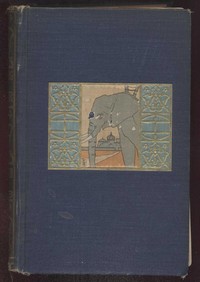
Following the Equator: A Journey Around the World. Part 2 by Mark Twain
Mark Twain published Following the Equator in 1897, but Part 2 of this travel memoir picks up with him deep in debt and on a grueling worldwide lecture tour to pay it off. We join him as he leaves Australia behind and ventures into the heart of the British Empire's southern and eastern domains.
The Story
This leg of the journey throws Twain into the intense heat and complex social landscapes of India, Ceylon (Sri Lanka), and South Africa. The 'plot' is simply his route, but the real narrative is in his reactions. He describes breathtaking sights like the Taj Mahal with genuine awe, but he's constantly pulled away from pure tourism. He's forced to confront the realities of British colonial rule, the rigid caste system in India, and the rising tensions in South Africa that would soon erupt into the Boer War. The book is a series of sharp, often hilarious observations about everything from local customs to unbearable train journeys, all filtered through the lens of a famous American who is equal parts curious and critical.
Why You Should Read It
This book surprised me. I expected the famous Twain humor, and it's definitely there—his bit about trying to mail a letter in India is classic. But what stuck with me was his moral fatigue. You can feel him wrestling with big questions. He's clearly troubled by the racism and exploitation he sees, yet he's also a product of his time, and his own views can seem contradictory to a modern reader. That tension makes it fascinating. It's not a polished, politically correct treatise; it's the raw, sometimes uncomfortable journal of a smart man figuring things out in real time. His voice is so conversational, it feels like you're listening to a brilliant, grumpy friend tell stories about a very strange trip.
Final Verdict
This is a perfect pick for readers who love history but hate dry textbooks. It's for anyone interested in the colonial era from a ground-level, personal perspective. If you enjoy travel writing with a critical edge, or if you're a Twain fan who wants to see him grapple with the world beyond America, you'll find this incredibly rewarding. Just be ready for a journey that's more thought-provoking than postcard-pretty.
You are viewing a work that belongs to the global public domain. Enjoy reading and sharing without restrictions.
Edward Sanchez
9 months agoI didn't expect much, but the clarity of the writing makes this accessible. Exactly what I needed.
John Torres
10 months agoI was skeptical at first, but the plot twists are genuinely surprising. Thanks for sharing this review.






Michael Harris
1 year agoFrom the very first page, the storytelling feels authentic and emotionally grounded. Exceeded all my expectations.