
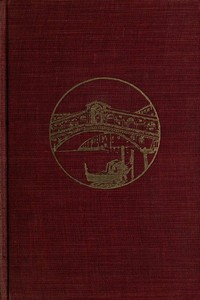
The Mediterranean: Its Storied Cities and Venerable Ruins by T. G. Bonney et al.
Forget the modern travel guide. The Mediterranean: Its Storied Cities and Venerable Ruins is something else entirely. Published in 1900 and edited by H.D. Traill, it's a collaborative work, a chorus of experts from the time—geologists like T.G. Bonney, historians, and classicists—each taking a turn to guide you around the Mediterranean basin. There's no single narrative character, but the collective voice of late-Victorian scholarship becomes the narrator.
The Story
There isn't a traditional plot. The 'story' is the journey around the sea itself. The book moves from city to ruin, from the rock formations that shaped the landscape to the empires that rose upon them. It explains how volcanoes built islands, how trade routes defined cities, and how legends grew from historical seeds. It connects the physical world to the human one, showing how geography dictated history in places like Athens, Venice, and Constantinople. It's a grand tour conducted by the academics of 1900, offering their best understanding of why the Mediterranean world looks and feels the way it does.
Why You Should Read It
This is the magic: you get two trips for the price of one. First, you travel to ancient Rome, Phoenician ports, and Byzantine churches. Then, just as fascinatingly, you travel to the year 1900. You see what they knew, what they prized (order, empire, classical beauty), and what they got wrong. Their confident explanations are a window into their own world. Reading their take on, say, the 'character' of different Mediterranean peoples is as revealing as their descriptions of the Colosseum. It doesn't feel like homework; it feels like discovery. You're constantly comparing their Mediterranean with the one you know or have seen in photos, and the gap between them is where the real insight grows.
Final Verdict
Perfect for history lovers with a curious mind, especially those who enjoy primary sources. It's for the traveler who wants deeper roots than a current guidebook can provide, and for anyone who loves the idea of a book as an artifact. It's not a light beach read—it asks for your attention—but the reward is a richer, layered understanding of a timeless sea. You won't find hotel recommendations, but you'll find out why the cities were built there in the first place.
You are viewing a work that belongs to the global public domain. Knowledge should be free and accessible.
Carol Thompson
1 year agoThis book was worth my time since the clarity of the writing makes this accessible. I learned so much from this.
James Flores
8 months agoSurprisingly enough, it creates a vivid world that you simply do not want to leave. I couldn't put it down.
Jessica Martinez
1 year agoVery interesting perspective.



Jennifer Johnson
1 year agoWow.